The Opportunity
While I was in Japan, I was presented with the unique opportunity of double dipping on two travel campaigns during the same trip. The first was a Japanese government campaign that gave you a percentage of money spent on accommodations back as points that you could use to make purchases at local shops (1 point = 1 yen). At the same time, the local government of Oda (大田市, Ohda-shi), Shimane Prefecture (島根県) contracted with 株式会社Huber. to run a travel campaign called Asobu Kouhou (遊ぶ広報) in which they reimburse you up to ¥70,000 for spending at least two weeks in the area (so basically a ¥5000/day stipend). The only other stipulation of the Asobu Kouhou campaign was that you attend a mandatory tour during one of the days of your visit, which didn’t sound like a bad deal to me! Eager to explore further outside the major metropolitan areas that I’d already visited, I happily signed up for the campaign and was pleasantly surprised when I was accepted as a participant!
Transportation
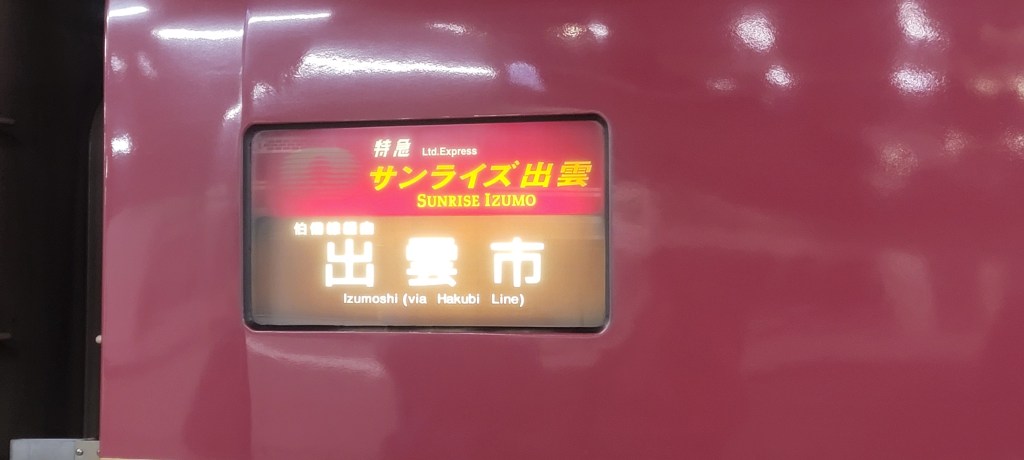
As it turns out, Oda is one of the farthest places from Tokyo in all of Honshu (本州, Honshū, the largest island of Japan) when traveling by train. Luckily for me there exists a simple solution to this problem – the Izumo Sunrise, a sleeper train that runs between Tokyo and Izumo (出雲市, Izumo-shi). Since Oda is only a 45 minute local train ride away from Izumo, this was a perfect option. Platform to platform the journey was about 11 hours, but I slept surprisingly well, and after what felt like only a few moments, I awoke to the announcement that we would soon be arriving in Izumo.
First Stop: Yunotsu
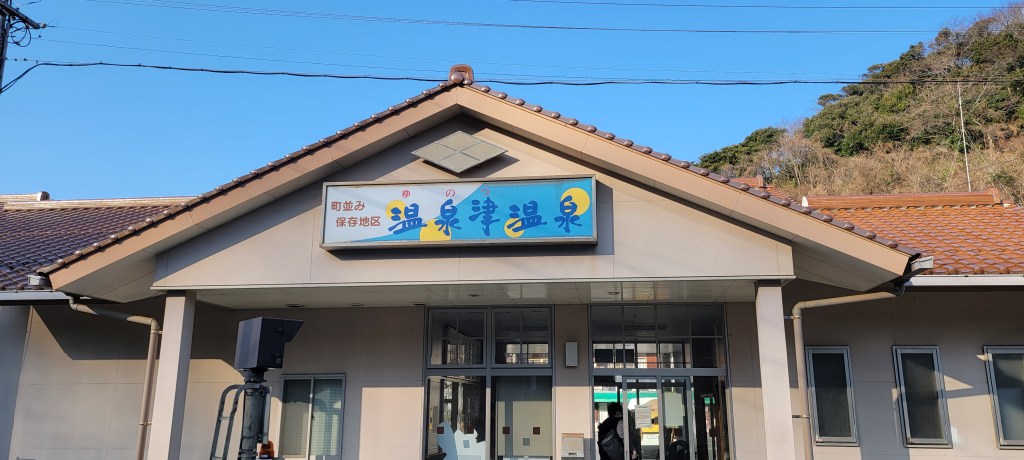
After a beautiful local train ride down Shimane’s coast, I arrived at the first stop on my Shimane tour: Yunotsu (温泉津町, Yunotsu-machi). Yunotsu is a gorgeous onsen (温泉, the Japanese word for natural hot springs) town, and the astute observer may notice that the kanji for onsen are contained within Yunotu’s name itself. This difference in pronunciation was a bit tough for me to overcome when trying to read the name aloud – “onsentsu” was what my brain wanted me to say every time – but I felt better about it after seeing my native-Japanese-speaking companion make the same mistake!
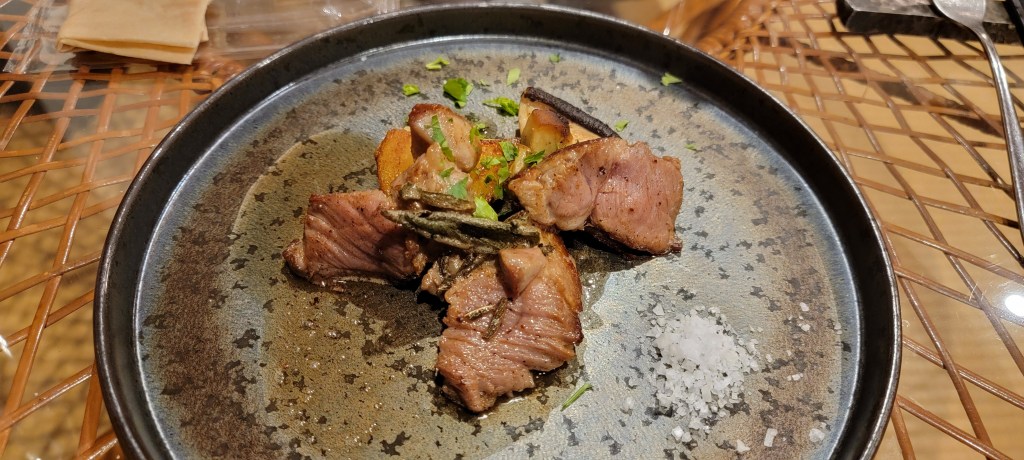
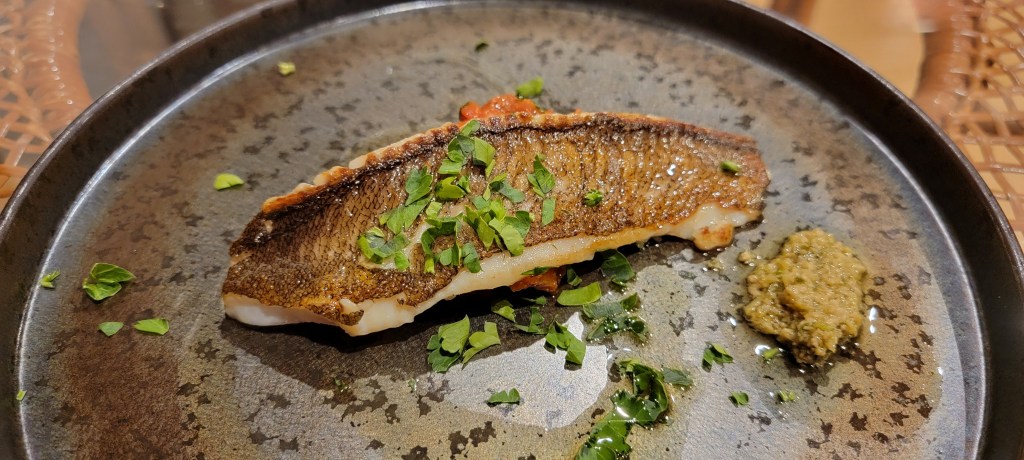
My lodgings in Yunotsu were well beyond what I expected from such a small town! I stayed in a private room at the Watowa guest house (they also offer hostel-style options), which seemed to be an older building converted by the owners into what is now a rather glamorous option for visitors to Yunotsu. Besides the generously large living space and brand-new kitchen fixtures, there was also an on-site restaurant which hosts a rotating cast of guest chefs. During my stay the chef was from Ajikura, another restaurant in Shimane, and the incredible Italian inspired course meals he prepared were truly out of this world. The local specialty, Iwami pork, (Iwami being the name of a former province where Shimane is now located) was a highlight of many of the dishes, and its rich flavor reminded me more of beef than anything porcine!

The most important aspect to mention about Yunotsu are the onsen themselves – I was able to spend each evening leisurely soaking in the mineral-filled natural hot springs for which the town is named. According to legend, around 1300 years ago the first onsen in Yunotsu was discovered by a traveling priest. He happened upon a warm natural pool and watched in awe as the waters healed the wounds of an injured tanuki. While I can’t speak to the veracity of the legend, I can attest that the therapeutic warmth of the onsen will relieve you of any weariness accumulated on your travels. There were several onsen to choose from, some with varying levels of heat in their baths, so there’s something to enjoy for hot spring novices and veterans alike.
Mandatory Tour Stop: Omori / Iwami Ginzan
As I mentioned earlier, the main requirement for this travel campaign was that I attend a guided tour of Omori (大森町, Ohmorimachi). As such, on a sunny Thursday morning I set out to meet up with our tour guide, Kaneda-san. Kaneda-san happens to be a graduate student in the field of World Heritage studies, and so I got way more than I bargained for on this tour. His explanations were in depth and informative, and he even went out of his way to use English wherever possible for my benefit! We spent a relaxing morning and afternoon following Kaneda-san’s lead through the town, and in doing so had the opportunity to meet various pillars of the community like the newspaper publisher, the culture institute researchers, and several shop owners.


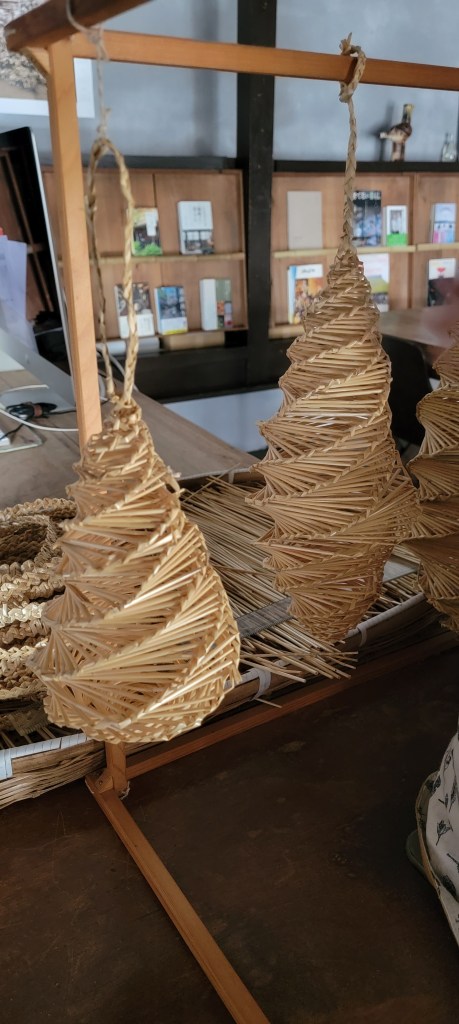
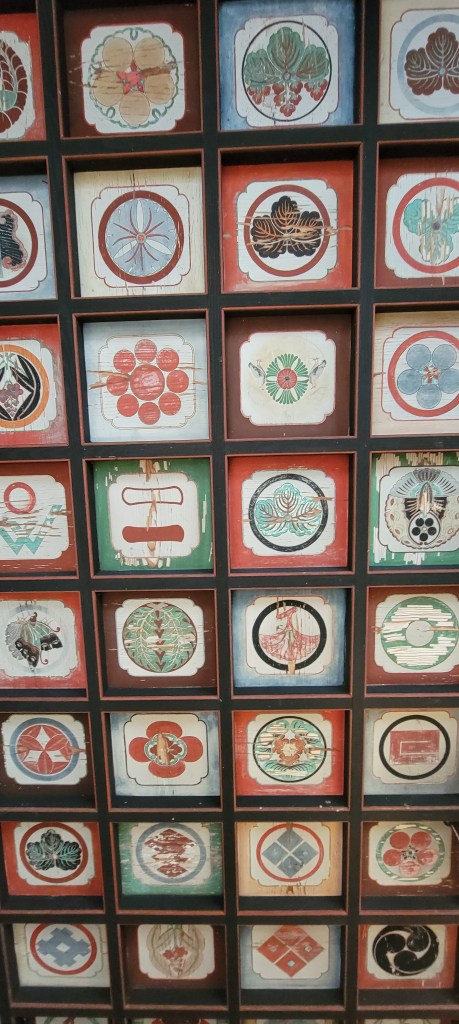
Omori is particularly interesting as a world heritage site because of the involvement the locals have in preserving the town and its culture. Shortly after the declaration of Iwami Ginzan as a cultural heritage site in 2007, an influx of tourists threatened the relaxed way of life of the townspeople. To address this, they came together to write a charter and lay down some ground rules that would strike a balance between tourism and cultural preservation. The charter seems to have had the desired effect, as tourists like myself are now able to comfortably visit, but not in such numbers that we overwhelm the town’s infrastructure! As a result, visitors can now enjoy the culture of several hundred years ago in a peaceful environment where modern conveniences are present but hidden. Mailboxes, fire hydrants, and mailboxes, for example, are cleverly disguised behind wooden facades that match the aesthetic of the rest of the town. Guests can learn about the farming, cooking, and building techniques employed by the residents of old, and there are several temples and shrines to explore as well. One shrine that I found particularly interesting features a giant image of a dragon on the ceiling, and if you stand directly underneath it and clap (which you would do before praying), the sound reverberates through the room and emulates the sound of a dragon’s roar! The fact that they could achieve this feat of acoustics hundreds of years ago was fascinating to me, and that’s without evening mentioning the rest of the impressive architecture involved. It’s really something you have to see for yourself to believe!

Speaking of things you have to see to believe, that brings me to the main attraction of Omori, Iwami Ginzan (石見銀山). Ginzan simply means silver mine, and this mine was immensely important – operating for almost 400 years, it contributed to Japan’s ability to provide roughly 1/3rd of the worlds total silver production at its peak. Various innovations in mining technology specific to Iwami Ginzan made this possible, including using shells filled with oil as lamps, and using bamboo to both pump water out and air in to the mine shafts where workers toiled. After a tour through the mine itself, our group also visited a sake shop and a type of incense shop which sold “smelling bags”, which in the olden days would have been for workers to sniff as they worked in the mines. All in all it was a fascinating tour, and the town and its people do a great job of making you feel like you’re taking a walk through the past.
Final Stop: Oda
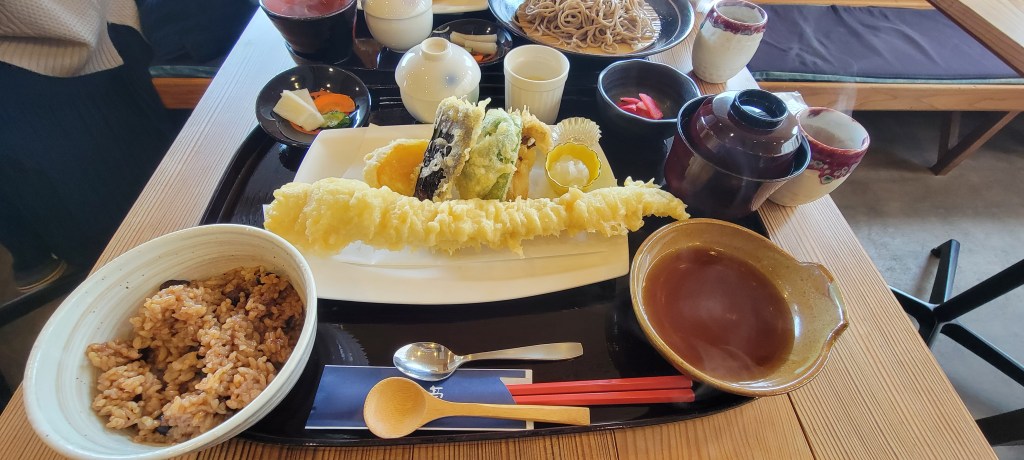
The final stop of my trip was Oda City proper (Yunotsu and Omori are technically part of Oda city, though they feel like distinct towns in their own right). Despite being a bit of a sprawling rural city, Oda was very easy to access and turned out to be quite walkable. Much of my time here was spent enjoying the local cuisine, and while everything was delicious, the stand out was the local specialty, giant conger eel (大あなご, ooanago). Giant conger eel is a salt water eel (as opposed to Unagi (鰻), the notoriously expensive freshwater eel that Japan is known for) that is famous in Shimane. And it turns out that it’s famous for very good reason – the stuff is delicious, and Oda grows them extra large, hence the 大 (big) at the front of the word. Unagi’s reputation precedes it, and having just eaten it in Tokyo, I was worried that anago wouldn’t be able to compare, but oh how wrong I was! The cost performance of Oda’s anago would have been enough to make it a strong competitor by itself, but the succulent flavor put me over the edge; I think I’m actually a bigger fan of anago than I am of unagi now.
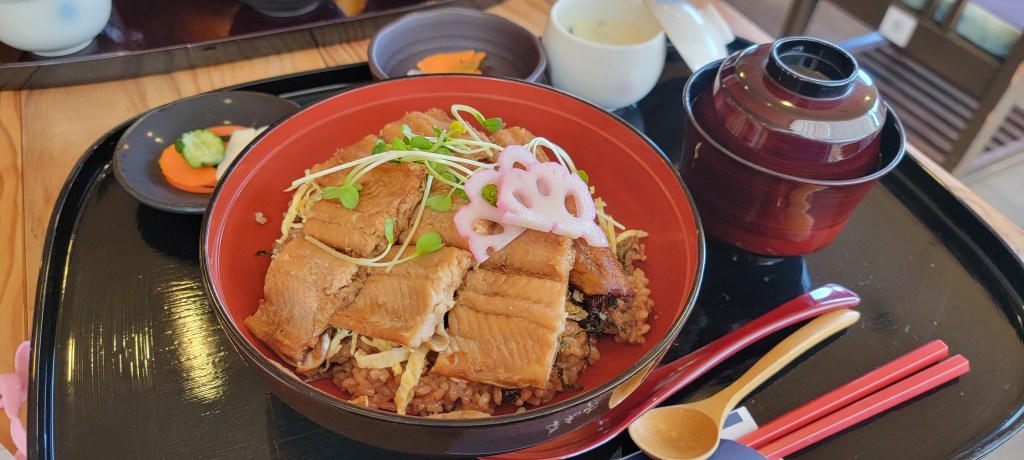
Whatever your eel preference may be, Oda’s anago is a must try. I had the pleasure of sampling two different preparations – the first was anago-don, a dish of grilled eel over rice whose presentation reminds one of your typical unagi dish, but with the distinction of being absolutely enormous. I could barely finish my lunch set, but of course I powered through so that I could keep savoring the taste. The second was anago tempura, battered and lightly fried eel and mixed vegetables that was truly incredible. Once again I could barely finish, as the portion appeared to be an entire half of an eel (it was practically the length of my forearm!), but the incredible flavor carried me through to the end. When it eventually came time for me to leave Oda, I couldn’t stop thinking about these eels, and I vowed to return someday to eat them again!
Closing Thoughts:
As an American, this kind of travel campaign was totally foreign to me, but it didn’t take long for me to fall in love with the idea. Oda is an incredible city full of great food, kind people, and fascinating culture – if you ever get the chance to visit, subsidized or otherwise, I highly encourage you to do so. Whether it’s stepping into the past at Omori, letting your troubles wash away in the onsen of Yunotsu, or simply enjoying the relaxed pace of life in Oda City, there’s something for everyone in this beautiful area of Shimane. If you’re ready to go beyond the mainstays of Japan travel (or even if you’re a first time visitor to Japan), I wholeheartedly recommend Oda for its natural beauty, cultural experiences, and incredible food – you won’t be disappointed.
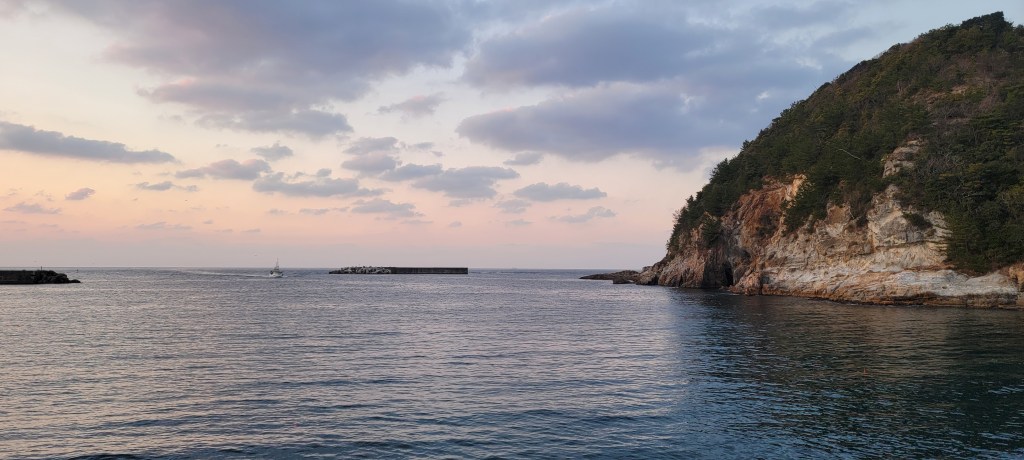
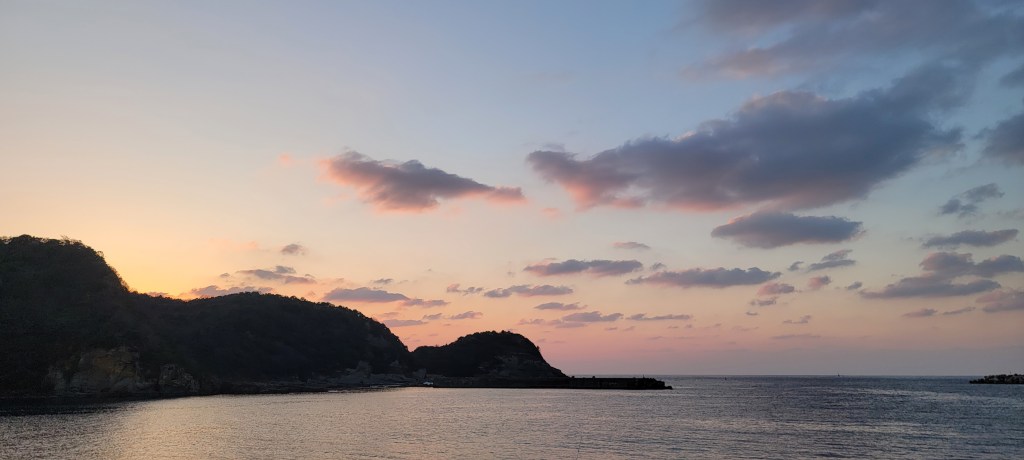
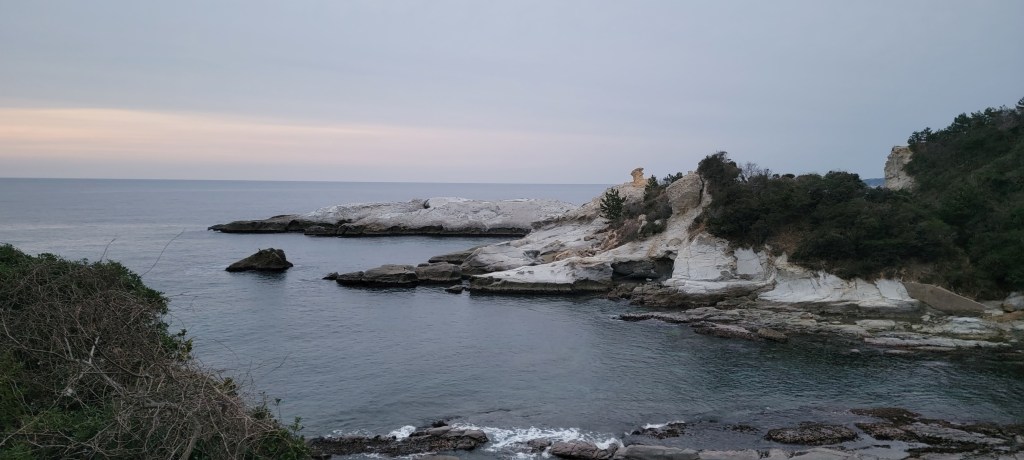
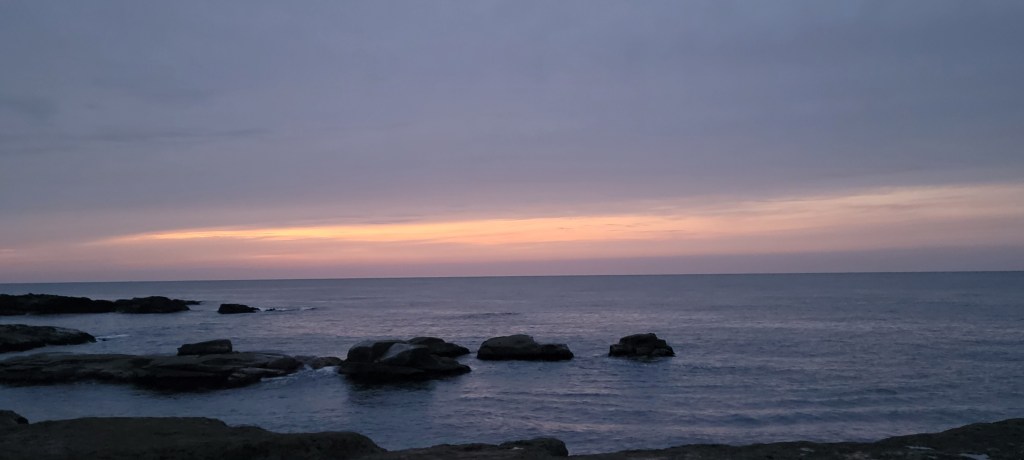
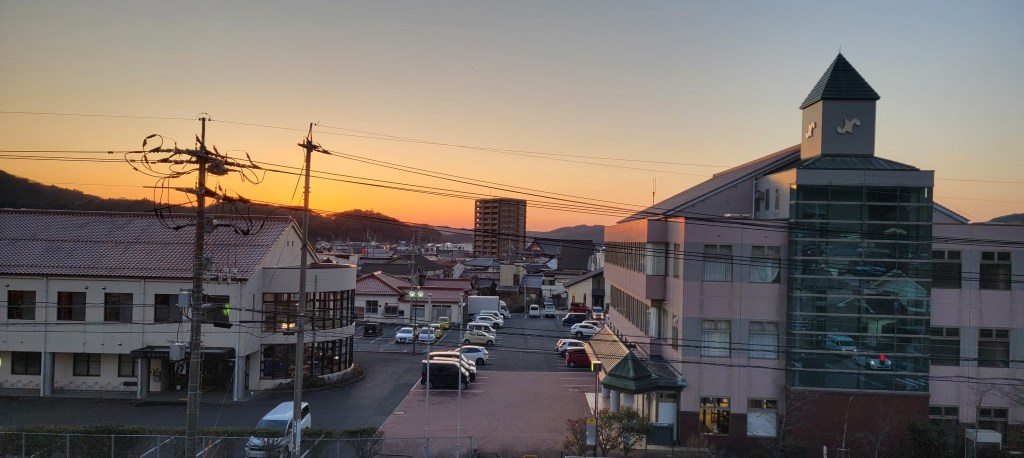
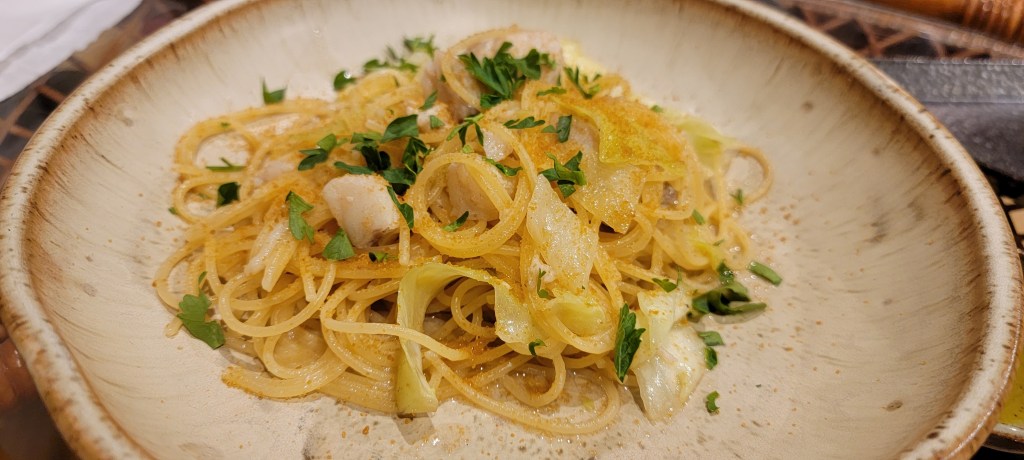
Bonus: Food and Sunset Gallery

 The Captain's Blog